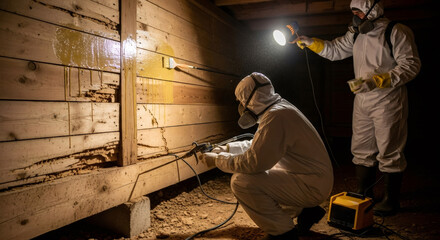
Termites eat wood, but they are also drawn to cellulose materials such as paper, cardboard, cotton and wallpaper. Keeping piles of firewood and other plant material close to the house or stacked against walls can invite these pests.
Clogged gutters that cause water to pool next to a home’s foundation create ideal conditions for termite infestation. Poor drainage near a house’s foundation can also draw these pests into crawl spaces and wall voids where they can quietly do serious damage. Visit https://www.benspest.biz/ for more information.
Wood
Termites are wood-eating pests that tunnel through and chew on the life-sustaining cellulose found in wood and other plant materials. These insects create colonies that can become huge in size, which can result in costly damage to homes and commercial buildings. Termites are most likely to invade homes in areas with warmer, wetter weather and have been known to cause major structural damage to a wide range of commercial structures.
Although they are most commonly found in the ground and tunneling through wooden structures, these pests can also invade your home or building through crawl spaces and foundations. Termites can be difficult to detect, but they often leave behind signs of their presence such as blistered or hollow wood, piles of wings and mud tubes. If you see these or other warning signs, contact a pest control professional right away.
Moisture is a major attractant for termites, and this can be caused by leaky pipes, improper drainage, or poor air flow throughout a building. This is why it’s important to make sure your house is properly ventilated and that wood material such as wood mulch or firewood are kept at least a few feet from the foundation of your house.
Any type of dead plant material is a welcome sign for subterranean termites, especially if it’s close to or touching the foundation of a building. Mulch, overgrown shrubs and stacks of firewood are all prime candidates to give these insects a pathway into your home. Additionally, cracks and gaps in your home’s concrete foundation walls can offer entry points for these pests.
You can help prevent the spread of termites by having a professional conduct regular home inspections. These experts can spot many issues that can lead to a termite invasion, such as clogged gutters or low-hanging branches that could provide a bridge into your roof.
When you are bringing in firewood for your home, be sure to shake the piles and jar them before using to ensure that they do not contain any termites or other unwanted pests. Likewise, when you are inspecting your home’s crawl space, be sure to remove mulch and any plants that may be crowding the foundation or blocking proper ventilation.
Mulch
Mulch is a great addition to any landscaping, adding color, texture and keeping soil moist. However, when it’s used too close to the foundation of a home, mulch can provide ideal conditions for termites.
Subterranean termites, the type that can infest homes, typically live underground in large social colonies. Worker termites regularly travel to the surface and explore their surroundings in search of wood and other cellulose materials that they can feed on, bring back to the colony and share with their fellow workers. When these foragers encounter a favorable environment, they may settle in that area and form a new termite colony.
Landscape mulches, such as pine bark or cypress sapwood, retain moisture which can support the growth of termite colonies and encourage foraging activity. This is particularly true of mulches that are placed close to the foundation of a home. When the cellulose in the mulch is combined with the underlying soil and wooden structures of the house, it creates a highly conducive environment for termites.
Even when the underlying soil and structures are termite-free, the cellulose in mulch can still attract foragers to your property. When foragers settle in the vicinity of a home, they are likely to tunnel through the mulch and reach the foundation where they can enter the structure and cause significant damage.
To avoid these problems, a few simple steps can be taken to prevent mulch from becoming a termite magnet. First, use a termite-resistant mulch, such as cedar or cypress heartwood. These types of mulch are less attractive to termites than other wood-based options. Mulch should also be kept at least 12 inches away from the home’s foundation to reduce excess moisture and facilitate inspection for termite activity.
Finally, proper drainage is essential to prevent excess moisture around your home. A professional pest control company can assist you with ensuring that your gutters, downspouts and landscape grading direct water away from your house. Regular inspections with a pest management professional can help to identify any areas that are too damp and need to be corrected to prevent a termite infestation.
Dead Stump
Termites are attracted to wood and can easily infest trees, stumps and other dead structures. They also love to invade homes that have piles of firewood stacks or use untreated wood for landscaping purposes. Unfortunately, many homeowners unwittingly bring termites into their homes by not securing stacks of firewood or allowing wood mulch to touch their home’s foundation.
Leaving tree stumps on your property can be an eye sore and can decrease the value of your home. Stumps provide shelter and cellulose, a key ingredient for termites to live and thrive on. The cellulose in old stumps can be a major food source for subterranean and dampwood termites, which are both able to access a homeowner’s house.
A stump provides a dark, protected environment for termite colonies and is a safe place to protect against predators and harsh environmental conditions. They also offer moisture, which is a must for termites to survive and grow in size. Old, rotting stumps are the perfect habitat for termites and can cause severe damage to your home.
In addition to a noticeable hole in the stump, look for narrow tunnels in the wood and small mud tubes that resemble sawdust or ants. You may also notice a hollow sound when you knock on the stump or other wooden structures on your property. Regularly check the area for these signs and act quickly if you discover them, as the faster a termite infestation is detected, the less likely it will spread.
If you have a rotting stump on your property, it’s time to consider professional stump grinding services. While you can rent a stump grinder and attempt to grind it yourself, this is often dangerous and best left to a certified arborist. Stump grinding is a safe, effective way to remove the stump and prevent a potential termite infestation. Contact Southern Star Stump today to learn more about our services and how we can help you protect your home from a costly termite infestation. We proudly serve clients in Nashville, TN and surrounding areas. We are licensed, insured and bonded, making us the safest choice for your next project.
Dead Trees
When termites are mentioned, most people think about the damage they cause to homes and other structures on their property. However, these destructive pests aren’t just drawn to the walls, floors and support beams of buildings—they can also chew their way through the limbs of trees and stumps on your property.
Most termite species limit their diet to dead wood, but some will infest live trees if given the chance. These infestations can weaken the limbs of your trees, which may break during a storm or fall on your home. The good news is that many infested trees can be saved if the problem is treated quickly enough.
If you find evidence of a termite infestation in your tree, such as narrow tunnels, larger nesting chambers or small clusters of white eggs, it’s important to prune infested limbs or trunks so they don’t fall on your house. You should also remove any rotting stumps that have been in your yard for a long time.
Stacks of firewood are another common attractant that can lead to serious termite problems in your home. When stacked close to the foundation, these piles provide easy access for termites to enter your home and cause significant damage. Store your firewood at least 20 feet away from your home and elevated off the ground to prevent termite infestations.
Signs of a termite infestation can include swarming, which happens when mature termites leave their colonies to mate and start new ones. You can also look for mud tubes, which subterranean termites use to travel from their underground nest to other areas of the property, such as your home’s baseboards and wooden floors. If you see any of these signs, it’s important to call a professional right away. Ross Environmental Solutions can offer termite prevention services that will protect your property and your home from this destructive pest. For more information about our services, contact us today. We proudly serve homeowners throughout the San Diego area. Our termite protection service includes a thorough inspection and treatment of all areas that are vulnerable to the presence of these pests.